
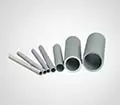
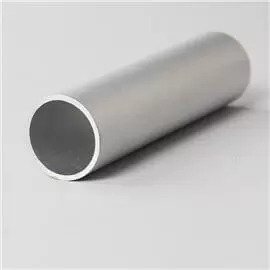
Aluminum Round tube
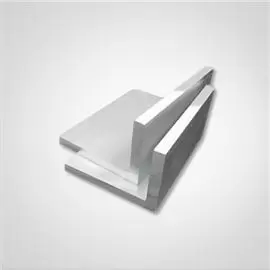
Aluminum Angle
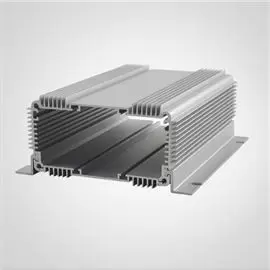
Extruded Aluminum Enclosure
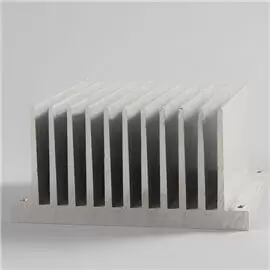
Extruded Heat Sinks
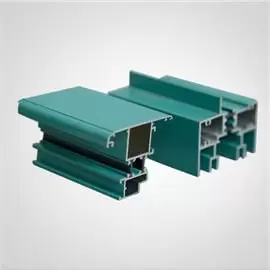
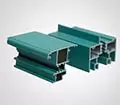
Window & Door Profiles
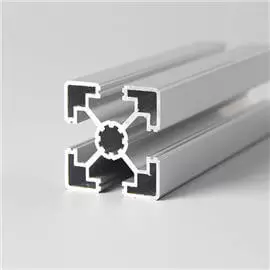
T slotted Aluminum
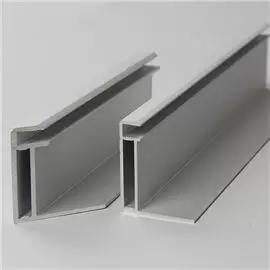
Solar Panel Frame
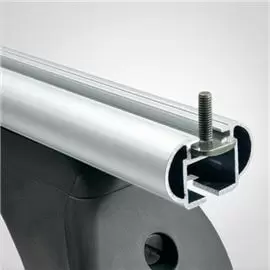
Extruded Car Roof Rack
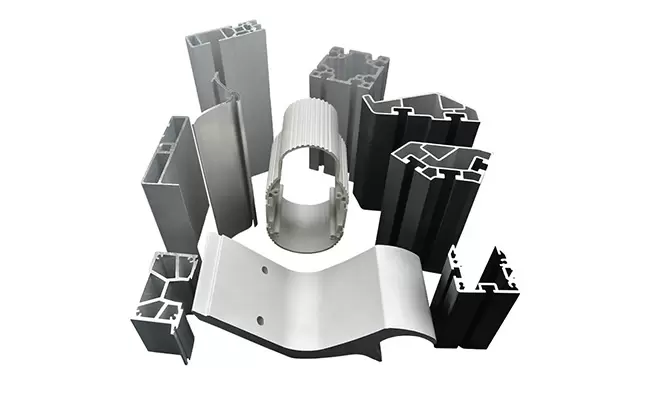
At JUST ALU, we specialize in the manufacturing of aluminum extrusions. Our process begins with a heated aluminum alloy billet, which is precisely pushed through a custom-designed mold (or die) to create continuous, complex shapes known as aluminum profiles.
With 20+ years in the aluminum industry, we supply a wide range of extruded aluminum shapes, controlling every step from raw material to final product to ensure superior quality. As your reliable manufacturer and supplier in China, we are equipped to bring your designs to life.

At XIAMEN JUST ALU, we master the entire aluminum extrusion process to deliver custom profiles tailored to your exact specifications. It begins with custom mold design and fabrication, followed by pushing a heated aluminum billet through the die using our advanced extrusion presses. This allows us to produce a vast array of complex cross-sectional shapes with precision.
Robust Production Capacity & Material Expertise
Our manufacturing power is driven by 35 extrusion press lines, ranging from 600 to 3800 tons, many of which are high-precision units imported from Taiwan. This is supported by our in-house billet casting, which streamlines production and guarantees fast, on-time shipment.
We work with a complete range of aluminum alloys, including the 1000, 2000, 3000, 5000, 6000, and 7000 series. For special requirements, please consult our sales engineers for alloy selection.
Advanced Surface Finishing for Enhanced Performance
To complete your product, we offer a comprehensive suite of high-quality surface treatments. Our capabilities include:
Anodizing: Available in a spectrum of colors and a brilliant polished, shiny finish.
Powder Coating
Electrophoresis Coating
PVDF Coating
Our quality is further ensured by advanced anodizing lines imported from Germany, capable of meeting even the most demanding specifications with superior quality.
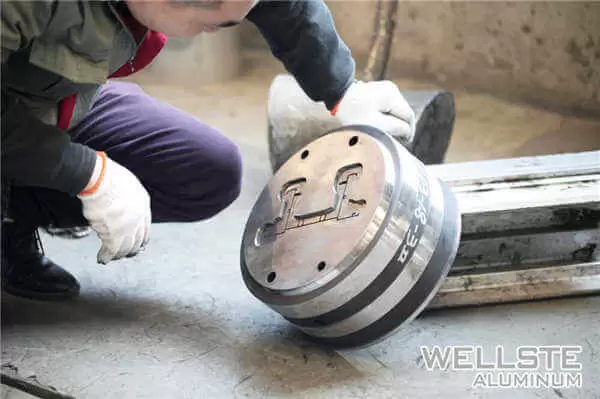
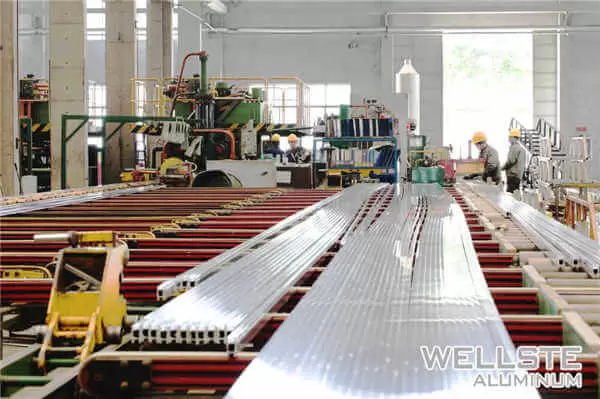
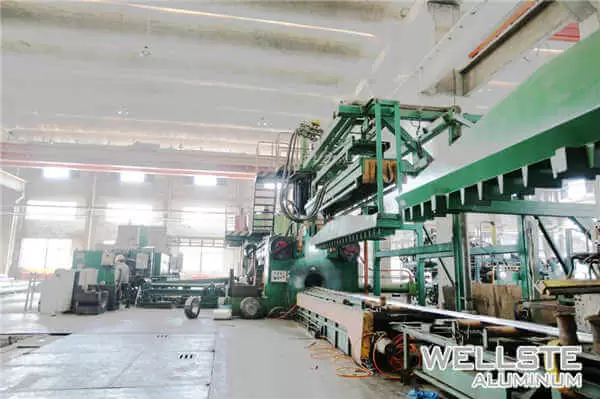
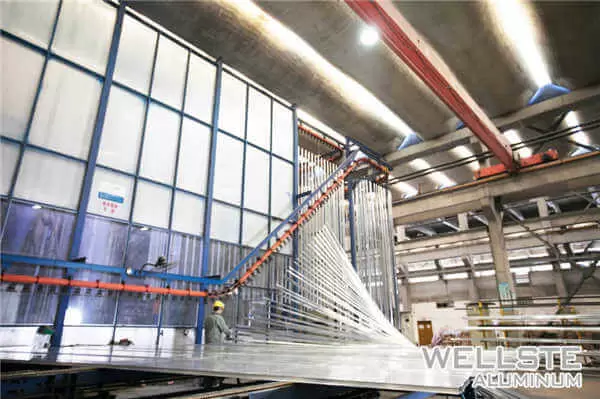
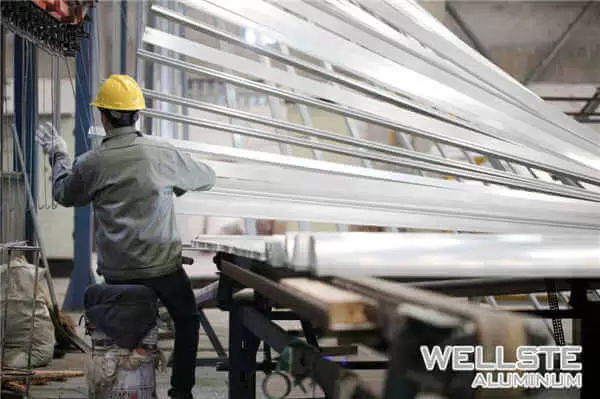
JUST ALU: Your Trusted Partner for Precision Aluminum Extrusions
JUST ALU specializes in precision-crafted aluminum extrusions for a vast array of applications, including windows & doors, construction, home decor, transportation, electronics, and industrial machinery. Aluminum is the material of choice for its exceptional properties: it is lightweight, strong, corrosion-resistant, and 100% recyclable, offering an eco-friendly solution with no toxicity.
Engineering Expertise & Custom Solutions
Our team of over 30 seasoned engineers, each with a decade of industry experience, is ready to bring your ideas to life. We excel at custom designs and rapid prototyping. To save you time and cost, we also maintain an inventory of thousands of standard profiles. Annually, we produce over 12,000 types of custom and standard extrusions, ensuring we have the right solution for you.
Value-Added Services: One-Stop Fabrication
Go beyond basic extrusion with our comprehensive one-stop fabrication services. We offer punching, riveting, bending, and CNC machining, all under one roof. This integrated approach significantly reduces your production costs, improves efficiency, and accelerates your time-to-market, helping you win more customers.
Our Commitment to You
At JUSTY ALU, partnership is key. We are committed to being your reliable supplier, backed by clear promises:
Stable Delivery: 20 days or less.
Transparent Communication: 24-hour detailed shipping reports.
Rapid Response: Get a fast quote from our sales engineers within 24 hours.
Let us eliminate your sourcing concerns with exceptional service and reliable support.
What is Aluminum Extrusion?
Definition of Aluminum Extrusion
The aluminum extrusion process is, in principle, similar to squeezing toothpaste from a tube. A more detailed analogy is seen when Play-Doh is forced through a shaped die to create a specific form.
As you can see in the diagram below, the material flows through a die opening, emerging as a long, continuously shaped profile. While the fundamental principle is the same, the industrial extrusion of aluminum is, understandably, far more advanced and precise.
Industrially, aluminum can be extruded using direct or indirect methods, and via hot or cold processes. The most common method is hot extrusion.
At JUST ALU, we specialize in Direct Hot Extrusion—the industry-preferred method for its efficiency and capability. The following section details how this process ensures high-quality results for your projects.
Direct Extrusion (Hot Extruded Process)
Direct extrusion, also known as forward extrusion, is the most common method for producing aluminum profiles. In this process, a heated aluminum billet is loaded into a thick-walled container. A hydraulic ram then moves forward, applying pressure to the billet.
A reusable steel disc, known as a dummy block, is placed between the ram and the billet. This critical component protects the ram from extreme heat and pressure.
The Extrusion Sequence:
Application of Force: The process begins as the ram applies immense pressure, crushing the billet against the die.
Overcoming Friction: Direct extrusion requires greater force than indirect methods because the billet must slide along the entire length of the container. Consequently, the peak force is required at the start and slowly decreases as the billet is consumed.
Material Flow: Under this pressure, the softened billet deforms. With no other path available, it is forced to flow through the openings of the precision die.
Profile Formation: The aluminum emerges from the die outlet as a continuously shaped profile, which is then cooled and cut to specified lengths.
Aluminum Extrusion Manufacturing Process Flow
Step 1: Precision Die Preparation
The process begins with a custom-designed die made from H13 steel. The die’s opening is a negative of the final profile’s cross-section. Each unique profile requires its own precision-machined die, a specialized task performed by skilled toolmakers.
Step 2: Billet Preheating
Solid aluminum cylinders, known as billets, are cut to length and then heated in an oven to a temperature range of 800°F – 925°F (425°C – 495°C). This heating makes the aluminum malleable for extrusion.
Step 3: The Extrusion
The heated billet is transferred to the extrusion press. A hydraulic ram applies immense pressure (typically 500-700 MPa), forcing the softened aluminum through the die opening, transforming the solid billet into a continuous, shaped profile.
Step 4: Temperature Management
Maintaining a consistent and controlled temperature throughout the extrusion process is critical. Precise thermal monitoring ensures the final product achieves the required mechanical properties, such as tensile and yield strength.
Step 5: Quenching & Cooling
As the profile emerges from the die, it is guided onto a cooling table. It is rapidly cooled (quenched) using air, water, or a combination of both. The cooling rate is carefully controlled to meet the specific alloy’s property requirements.
Step 6: Stretching & Cut-to-Length
The cooled profiles are stretched to straighten them and correct any twisting. Subsequently, they are cut to standard lengths, typically between 6.0 and 9.0 meters.
Step 7: Age Hardening (Tempering)
To achieve the final strength characteristics, the profiles are placed in aging ovens. Here, they are heated to approximately 350°F (175°C) for a set duration (e.g., 4+ hours). This “age hardening” process precipitates hardening within the aluminum. The profiles are now ready for sale as mill-finish products or can proceed to fabrication and surface finishing.
Raw Material for Aluminum Extrusion
Understanding the relationship between aluminum ingots and billets is fundamental. Ingots are first produced from raw aluminum oxide through an electrolysis process. These ingots are then reheated and formed into billets, which are the direct feedstock for extrusion. The transformation process can be summarized as follows:
How the Aluminum Ingot is made?
Aluminum ingot is 99.7% pure Aluminum, is also names“A00” Alu. They are in compliance with LME standard.
Aluminium ingots are sourced from casting aluminum manufacturer at wellste. Therefore, we will briefly talk about the manufacture of Aluminium ingots.

Aluminum ingot -Raw material of aluminum extrusions
Step 1: Aluminium is extracted either from its raw material, bauxite or from scrap recycle Aluminium.
The extracted aluminium metal is melted in a furnace which has a temperature of 800 ͒C. The molten aluminum is transferred to a holding furnace where the metal is casted into ingots.
Step 2: The holding furnace is tilted gradually and the hot, molten Aluminium metal is poured into moulds.
Step 3: The molten Aluminium is cooled by spraying mist water. Make sure that the metal has completely cooled down. It will form the base of your mould. More Aluminium flows into it to fill up remaining space.
Step 4: An Aluminum ingot is formed.
How the Aluminum Billet is made?
Step 1: Aluminum ingot put into furnace to melting.
You can add various metals like Magnesium, Silicon, and Copper in order to required alloy grades in various series.
Wellste can produces Aluminium alloys of different alloy grade. 6XXX series alloys are most commonly produced for Aluminium extrusion products.
Step 2: In this process, the smelted Aluminium is casted into billet shapes in a casting mold.
Homogenization is an essential process. It is homogenization of aluminum alloy elements.
It aims to eliminate residual stress and improve workability of aluminum billet. Making cast alloys have both chemical and structural uniformity.
The billet is in a solid form. They are available in a wide variety of alloys.
At Wellste, Aluminium billets are 6000mm long lengths bar. Therefore, they need to be cut to shorter lengths. The billets can be cut with the help of a saw or a hot shear. These Aluminium billets have a diameter in the range of 60mm to 280mm.
Step 3: The billets can be wrapped and transported to be used in Aluminium extrusion manufacturing process.
Aluminium billets is used as raw material for our Aluminium extrusion plant. It is also supplied as a raw material to a number of other Aluminium extrusion factories.

Aluminum Billet
Aluminum Extrusion Alloy Number Available from Wellste
If you think that you can select just any alloy for your project, then you are mistaken.
This process requires a detailed analysis as well as research. You can make use of the Wellste alloy guide, which can help you find the perfect alloy for you.
Alloy 1000 Series :
1000 series alloys belongs to the series with the most aluminium content. Their purity can reach over 99%. Alloy 1000 series has a number of advantages such as high corrosion resistance and high thermal as well as electrical conductivity. They are easily weldable. These alloys are commonly used in a wide range of industries including electrical and chemical.
Alloy 2000 Series :
2000 series alloy is roughly made up of 95% Aluminium, 4.5% copper and 0.5% other materials. These alloys have high malleability and hardness. These types of alloys are used exactly like steel. Such profiles can be conveniently turned into different shapes and sizes. It is commonly used in the aerospace field.
Alloy 3000 Series:
3000 series alloys are alloyed with manganese. The manganese elements is usually between 1-1.5%. They have higher strength than pure aluminum while maintaining good formability and corrosion resistance. These alloys are not heat treatable and are suitable only for anodizing and welding. It is used in industries and products that require rust prevention.
Alloy 5000 Series:
5000 series alloy, Magnesium is the principal element. Its main characteristics are low density, high tensile strength, high elongation and good fatigue strength. However, it can not be strengthened by heat treatment. These alloys are readily weldable. They are proven to be extremely corrosion-resistant, especially in marine applications.
Alloy 6000 Series:
6000 alloy series take by the biggest share of the extrusion market. They mainly contain aluminium, magnesium and silicon. This group of alloys have high corrosion and oxidation resistance. They are quite easy to weld and their profiles can be easily strengthened. These properties make them suitable for construction and structural applications.
Alloy 7000 Series:
7000 alloy series are one of the strongest series alloys that are available in the market. They contain Al-Mg-Zn-Cu alloy. It is heat-treatable, has good wear resistance and weldability. However, these alloys have poor corrosion resistance. It is therefore abundantly used in the construction, automotive and aerospace industries.
Aluminum Extrusions Design Guide
Aluminum Extrusions dimensions
Wellste produces aluminium extrusions in a wide range of sizes from small to big extrusions. Aluminum extrusions size can be measured by its cross-sectional dimension. This cross-section fits within the circumscribing circle.
The variety of shapes which can be extruded is endless. However there are a number of factors that need must be considered in aluminum extrusions profile design. These factors are as follows:
- size: The circumscribed circle of a profile determines extrusion press size to extrude.
- shape: The extrudability depends on the cross-sectional shape whether complicate or not.
- aluminium alloy: Controlling alloy composition to avoid affecting Aluminum extrusion profiles surface quality, such as scratch, corrosion and uneven coloring.
- tolerance: Limits of size variations in compliance with GB/T 5237.1 -2008.
- extrusion ratio: The area of aluminum billet/ the area of shape.
- Tongue ratio: width of fin/height, avoid high tongue ratio
- Surface finishes: Different aluminum alloy number has a bit discrepancy in the ends finishing looks.
- assembly consideration: consider the assemblability of finished products
The profiles which are designed without considering these factors will not be extruded successfully.
Aluminum Extrusions wall thickness available from Wellste
Once you have selected the aluminum alloys for extrusion, it’s time to start thinking about wall thickness.
The wall thickness depends on many factors such as the alloy and temper.
Majority of the extrusion plants and aluminum extrusion companies consider the wall dimensions of 0.04” to be thin.
At Wellste, we can carry out aluminum extrusions with 0.02” wall thickness. You can determine the minimum wall thickness that is required to successfully extrude aluminum.
The types of Aluminum Extrusion Die & cost
The types of Aluminum Extrusion Dies:
Aluminum Extrusion dies are highly engineered pieces of tooling.
They can be grouped as solid dies and hollow dies. The solid die produces solid shapes, while the hollow dies produce hollow or semi-hollow shapes.
A single die can be a combination of solid, semi-hollow or hollow shapes.
Solid aluminum extrusions dies:
A solid die usually have one or more apertures. It is through these apertures that the softened alloy can be forced or extruded.
A wide number of apertures in a single die, can be used to produce multiple extrusions simply with each stroke of the press.

Solid die – Photo courtesy: aec
Semi-Hollow Dies:
A semi-hollow die usually extrudes a shape that is not only nearly hollow, but also partially encloses a void.
Hollow Dies:
Hollow dies can successfully take up a variety of forms. However, the choice of design and manufacturing methods usually depends on a number of factors such as the profile, size of press and container, and production requirements.

Hollow die – Photo courtesy: aec
Die Costs:
Comparing other manufacturing methods of tooling, The cost to produce aluminum extrusion tooling is inexpensive relatively.
At Wellste, the dies for simple geometric shapes generally cost between USD $220 and USD $5000.
Cost increases as the circumscribing circle diameter increases. Contact Wellste sales team that offer you fast mold cost within several hours only.
Wellste makes sure that the optimum product performance, quality and cost is achieved.
The Difference of Alloy Temper – Aging
Pure Aluminium is usually alloyed with other elements like copper, magnesium, silicon. As a result, you can find different alloys that have additional strength and unique physical attributes.
In addition to alloy selection, we will discuss alloy temper- aging as well. Aging is the treatment that metal alloy is at elevated or room temperature after quenching. This improve the metal properties of an alloy.
Aging is an important process to improve mechanical properties of aluminum alloy. At the same time, physical and chemical properties improve as well.
you will see a notation next to it such as in the case of T₁ or T₆, that means the type of aluminum alloy temper.
This notation refers to the temper grading of each alloy. In simple words the number alloted to the letter T, describes the treatment that the specific aluminium alloy has received.
When you are in the market to purchase extruded Aluminium, it would be best if you have an extensive knowledge as well as a proper guidance.
You should have a specific knowledge about which range of temper would be most appropriate,
Aluminium alloys are available in a number of different tempers. They are commonly available in two main groups, heat treatable alloys and non-heat treatable alloys.
Non-heat treatable alloys:
These include three types of temper, i.e. F, O and H tempers.
- F Temper :
Free working condition. Mechanical properties of alloys are not specified.
- O Temper:
Annealed, fully soft condition, suitable for processed products that have been fully annealed to obtain the lowest strength.
- H Temper :
Cold-work hardening condition. It is used to get higher strength.
After cold hardening, it maybe followed by additional heat treatment.
Heat treatable alloys:
As the name implies, these alloys achieve their unique strength and mechanical properties by the initial process of heat treatment.
It is then subjected to cooling and finally aging. Temper for aluminum alloys is usually denoted by the letter T.
Natural aging:
T1, T2, T3 and T4 tempers are included this category. This process occurs at an ordinary temperature spontaneously, until the metal reaches a stable condition. This will make the metal hard after heat treatment.
Artificial aging:
T5, T6 and T9 are included in this category. In this process, the metal is heated for a time within the range of 2-30 hours at a low temperature of 100-200ºC.
This process is continued until the metal attains a stable state.

Heat aging machine
This will eventually make the metal hard and increases its strength.
Among these tempers, T4, T5 & T6 are the most common for aluminum extrusion.
T4 is Natural aging to a basically stable condition after solution heated.
T5 is the state being cooled from an elevated temperature forming process then artificial aging.
T6 is the state of artificial aging after solution heat treatment.
Aluminum Extrusion Surface Finishes that Improve Performance
Once you have manufactured the Aluminum extrusion product,it is really important that the extrusion product have a suitable surface finishing option.
The reason is that surface finishing provides an extra protection to Aluminum extrusion, making it highly corrosion resistant and durable.
You can also enhance the appearance of Aluminum extrusion if you choose an appropriate finishing method. Following are the finishing methods available at Wellste:
Anodizing
Anodizing is one of the most commonly used surface treatment methods.
In the anodizing process, a layer of oxidation is added to the Aluminum extrusion products.
This oxidized layer forms the protective layer on the extruded Aluminium. The film is less likely to peel, chip or crack.
Owing to the anodizing process, the properties of Aluminium are not only enhanced, but also provide many beneficial uses.
Advantages of anodizing Aluminium:
- The protective oxidation layer provides resistance not only against wear and tear but also corrosion. This makes the Aluminum extrusion products quite durable.
- Anodizing process creates an extrusion product that has an aesthetically pleasing finish, thus providing a clear and smooth appearance. The colour tends to last longer on an anodized surface.
- Anodized Aluminium tends to have a greater strength.
- Anodized extruded products require low maintenance and are able to withstand every type of weather.
Electrophoresis:
In this process, two protective layers are formed. The first layer is the protective oxide layer and the other layer is the electrophoretic coating.
Both of these layers provide stain resistance, corrosion resistance and high quality finish.
At first, an oxide layer is added by the electro -chemical method. Then, the anodized Aluminium extrusion is placed in an electrophoresis tank.
This is an electrophoretic painting process, in which an electricity is passed so that an acrylic resin can adhere to the Aluminium surface.
Usually, the electro-coated aluminum is then placed in another tank for about 30 minutes, having a temperature range of 180-200℃, so that the Aluminium extrusion product can be completely dried.
The Aluminium extrusion products having electrophoretic treatment are extensively used for architectural purposes.
Advantages of Electrophoresis:
- Better performance and durability after electrophoresis treatment than anodized Aluminium extrusion products. This is because the electrophoresis process creates two protective layers.
- The most important advantage of electrophoresis is that it creates a uniform coating for the Aluminium. The thickness of the coating can be controlled simply by adjusting the electricity.
- The electrophoretic coating is both safe and environmental friendly.
- Electrophoresis provide coatings such as high transparent gum resin, which ensure the high decorative effect.
- Electrophoresis-coated aluminium extrusion products are of superior quality, as they are less likely to crack and peel off.
Powder Coating
Powder Coating is to spray powder coatings onto the surface of aluminum extrusion by powder spraying equipment (electrostatic spraying machine).
Under the action of electrostatic force, powder will be evenly adsorbed on the surface and form powder coatings
Advantages of Powder Coating:
- Powder coating produces a high quality and long-lasting protective coating for the Aluminium extrusion products.
- Powder coating is available in a wide range of colours from simple matt, satin and gloss finishes to super matt, super gloss, and textured finishes.
- Dents and cracks can be easily repaired simply by using a liquid coating, which precisely matches original colours. Powder coating tends to have a better colour uniformity between batches.
PVDF
PVDF is yet another process which provides a great finish to the Aluminium extrusion products. It is an electrostatic spraying and liquid spraying method.
The overall performance of a PVDF coating is determined by the fact that the spraying equipment must have an excellent atomizing effect.
This will ensure that the Aluminium surface receives a uniform coating. This will provide a metallic luster and bright colored extrusion product.
Therefore, PVDF coating provides a number of beneficial properties to the Aluminium extrusion products, such as:
- Anti-corrosion
- Anti-frosting
- Anti-fading
- Anti-air pollution
Chemical Composition of Alumium Extrusion Alloy available from Wellste
| Alloy No. | Chemical Composition | |||||||||
| Si | Fe | Cu | Mn | Mg | Cr | Zn | Ti | Other | Al | |
| 1060 | 0.25 | 0.35 | 0.05 | 0.03 | 0.03 | – | 0.05 | 0.03 | – | Remainder |
| 1070 | 0.20 | 0.25 | 0.04 | 0.03 | 0.03 | – | 0.04 | 0.03 | – | Remainder |
| 2024 | 0.50 | 0.50 | 3.8~4.9 | 0.30~0.9 | 1.2~1.8 | 0.10 | 0.25 | 0.15 | 0.15 | Remainder |
| 2A12 | 0.50 | 0.50 | 3.8~4.9 | 0.30~0.9 | 1.2~1.8 | – | 0.30 | 0.15 | 0.10 | Remainder |
| 3003 | 0.60 | 0.70 | 0.05~0.2 | 1.0~1.5 | – | – | 0.10 | – | 0.15 | Remainder |
| 5052 | 0.25 | 0.40 | 0.10 | 0.10 | 2.2~2.8 | 0.15~0.35 | 0.10 | – | 0.15 | Remainder |
| 5A02 | 0.40 | 0.40 | 0.10 | 0.15~0.4 | 2.0~2.8 | – | – | 0.15 | 0.15 | Remainder |
| 5083 | 0.40 | 0.40 | 0.10 | 0.4~1.0 | 1.0~4.9 | 0.05~0.25 | 0.25 | 0.15 | 0.15 | Remainder |
| 5754 | 0.40 | 0.40 | 0.10 | 0.50 | 2.6~3.6 | 0.30 | 0.20 | 0.15 | 0.15 | Remainder |
| 6005 | 0.6~0.9 | 0.35 | 0.10 | 0.10 | 0.4~0.6 | 0.10 | 0.10 | 0.10 | 0.15 | Remainder |
| 6005A | 0.5~0.9 | 0.35 | 0.30 | 0.50 | 0.4~0.7 | 0.30 | 0.20 | 0.10 | 0.15 | Remainder |
| 6013 | 0.6~1.0 | <0.5 | 0.6~1.1 | 0.2~0.8 | 0.8~1.2 | – | <0.25 | – | – | Remainder |
| 6060 | 0.3~0.6 | 0.1~0.3 | 0.10 | 0.10 | 0.35~0.6 | 0.05 | 0.15 | 0.10 | 0.15 | Remainder |
| 6061 | 0.4~0.8 | 0.70 | 0.15~0.4 | 0.15 | 0.8~1.2 | 0.04~0.35 | 0.25 | 0.15 | 0.15 | Remainder |
| 6063 | 0.2~0.6 | 0.35 | 0.10 | 0.10 | 0.45~0.9 | 0.10 | 0.10 | 0.10 | 0.15 | Remainder |
| 6082 | 0.7~1.3 | 0.50 | 0.10 | 0.4~1.0 | 0.6~1.2 | 0.25 | 0.20 | 0.10 | 0.15 | Remainder |
| 6351 | 0.7~1.3 | 0.50 | 0.10 | 0.4~0.8 | 0.4~0.8 | – | 0.20 | 0.20 | 0.15 | Remainder |
| 6101 | 0.3~0.7 | 0.50 | 0.10 | 0.03 | 0.35~0.8 | 0.03 | 0.10 | – | 0.10 | Remainder |
| 6101A | 0.3~0.7 | 0.40 | 0.05 | – | 0.4~0.9 | – | ~ | – | 0.10 | Remainder |
| 6101B | 0.3~0.6 | 0.1~0.3 | 0.05 | 0.05 | 0.35~0.6 | – | 0.10 | – | 0.10 | Remainder |
| 6463 | 0.2~0.6 | 0.15 | 0.20 | 0.05 | 0.45~0.9 | – | 0.05 | – | 0.15 | Remainder |
| 7003 | 0.30 | 0.35 | 0.20 | 0.30 | 0.5~1.0 | 0.20 | 5.0~6.5 | 0.20 | 0.15 | Remainder |
| 7005 | 0.35 | 0.40 | 0.10 | 0.2~0.7 | 1.0~1.8 | 0.06~0.2 | 4.0~5.0 | 0.01~0.06 | 0.15 | Remainder |
| 7020 | 0.35 | 0.40 | 0.20 | 0.05~0.5 | 1.0~1.4 | 0.1~0.35 | 4.0~5.0 | – | 0.15 | Remainder |
| 7021 | 0.25 | 0.40 | 0.25 | 0.10 | 1.2~1.8 | 0.05 | 5.0~6.0 | 0.10 | 0.15 | Remainder |
| 7075 | 0.40 | 0.50 | 1.2~2.0 | 0.30 | 2.1~2.9 | 0.18~0.28 | 5.1~6.1 | 0.20 | 0.15 | Remainder |
Mechanical Properties of Aluminum Extrusion Alloy available from Wellste
| Alloy No. | Temper | Wall Thickness/mm | Tension test at room temperature | |||||
| Tensil Rm/MPa | Yield Rp0.2/Mpa | Elongationa.b/% | Hardness HBW | |||||
| A | A50mm | |||||||
| Not less than | ||||||||
| 1060 | O | – | 60~95 | 15 | 22 | 20 | – | |
| H112 | – | 60 | 15 | 22 | 20 | – | ||
| 1100 | O | – | 75~105 | 20 | 22 | 20 | – | |
| H112 | – | 75 | 20 | 22 | 20 | – | ||
| 2024 | O、H111 | – | ≤250 | ≤150 | 12 | 10 | 47 | |
| T3 | ≤15 | 395 | 290 | 8 | 6 | 120 | ||
| T3510 | >15.00~50.00 | 420 | 290 | 8 | – | 120 | ||
| T3511 | ||||||||
| T8 | ≤50.00 | 455 | 380 | 5 | 4 | 130 | ||
| T8510 | ||||||||
| T8511 | ||||||||
| 2A12 | O | – | ≤245 | – | 12 | 10 | – | |
| T4 | ≤5.00 | 390 | 295 | – | 8 | – | ||
| >5.00~10.00 | 410 | 295 | – | 8 | – | |||
| >10.00~20.00 | 420 | 305 | – | 8 | – | |||
| >20.00~50.00 | 440 | 315 | 10 | – | ||||
| 3003 | H112 | – | 95 | 35 | 25 | 20 | 30 | |
| 5052 | H112 | – | 170 | 70 | 15 | 13 | 47 | |
| 5A02 | O、H112 | – | ≤245 | – | 12 | 10 | – | |
| 5083 | H112 | – | 270 | 125 | 12 | 10 | 70 | |
| 5754 | H112 | ≤25.00 | 180 | 80 | 14 | 12 | 47 | |
| 6005 | T1 | ≤12.50 | 170 | 100 | – | 11 | – | |
| T5 | ≤6.30 | 250 | 200 | – | 7 | – | ||
| >6.30~25.00 | 250 | 200 | 8 | 7 | – | |||
| T4 | ≤25.00 | 180 | 90 | 15 | 13 | 50 | ||
| T6 | Solid Profile | ≤5.00 | 270 | 225 | – | 6 | 90 | |
| >5.00~10.00 | 260 | 215 | – | 6 | 85 | |||
| >10.00~25.00 | 250 | 200 | 8 | 6 | 85 | |||
| Hollow Profile | ≤5.00 | 255 | 215 | – | 6 | 85 | ||
| >5.00~15.00 | 250 | 200 | 8 | 6 | 85 | |||
| 6005A | T5 | ≤6.30 | 250 | 200 | – | 7 | – | |
| >6.30~25.00 | 250 | 200 | 8 | 7 | – | |||
| T4 | ≤25.00 | 180 | 90 | 15 | 13 | 50 | ||
| T6 | Solid Profile | ≤5.00 | 270 | 225 | – | 6 | 90 | |
| >5.00~10.00 | 260 | 215 | – | 6 | 85 | |||
| >10.00~25.00 | 250 | 200 | 8 | 6 | 85 | |||
| Hollow Profile | ≤5.00 | 255 | 215 | – | 6 | 85 | ||
| >5.00~15.00 | 250 | 200 | 8 | 6 | 85 | |||
| 6060 | T4 | ≤25.00 | 120 | 60 | 16 | 14 | 50 | |
| T5 | ≤5.00 | 160 | 120 | – | 6 | 60 | ||
| >5.00~25.00 | 140 | 100 | 8 | 6 | 60 | |||
| T6 | ≤3.00 | 190 | 150 | – | 6 | 70 | ||
| >3.00~25.00 | 170 | 140 | 8 | 6 | 70 | |||
| T66 | ≤3.00 | 215 | 160 | – | 6 | 75 | ||
| >3.00~25.00 | 195 | 150 | 8 | 6 | 75 | |||
| 6061 | T4 | ≤25.00 | 180 | 110 | 15 | 13 | 65 | |
| T5 | ≤16.00 | 240 | 205 | 9 | 7 | – | ||
| T6 | ≤5.00 | 260 | 240 | – | 7 | 95 | ||
| >5.00~25.00 | 260 | 240 | 10 | 8 | 95 | |||
| 6063 | T4 | ≤25.00 | 130 | 65 | 14 | 12 | 50 | |
| T5 | ≤3.00 | 175 | 130 | – | 6 | 65 | ||
| >3.00~25.00 | 160 | 110 | 7 | 5 | 65 | |||
| T6 | ≤10.00 | 215 | 70 | – | 6 | 75 | ||
| >10.00~25.00 | 165 | 160 | 8 | 6 | 75 | |||
| T66 | ≤10.00 | 245 | 200 | – | 6 | 80 | ||
| >10.00~25.00 | 225 | 180 | 8 | 6 | 80 | |||
| 6082 | O、H111 | – | ≤160 | ≤110 | 14 | 12 | 35 | |
| T4 | ≤25.00 | 205 | 110 | 14 | 12 | 70 | ||
| T5 | ≤5.00 | 270 | 230 | – | 6 | 90 | ||
| T6 | ≤5.00 | 290 | 250 | – | 6 | 95 | ||
| >5.00~25.00 | 310 | 260 | 10 | 8 | 95 | |||
| 6351 | O | – | ≤160 | ≤110 | 14 | 12 | 35 | |
| T4 | ≤25.00 | 205 | 110 | 14 | 12 | 67 | ||
| T5 | ≤5.00 | 270 | 230 | – | 6 | 90 | ||
| T6 | ≤5.00 | 290 | 250 | – | 6 | 95 | ||
| >5.00~25.00 | 300 | 255 | 10 | 8 | 95 | |||
| 6101A | T6 | ≤50.00 | 200 | 170 | 10 | 8 | 70 | |
| 6101B | T6 | ≤15.00 | 215 | 160 | 8 | 6 | 70 | |
| 6463 | T4 | ≤50.00 | 125 | 75 | 14 | 12 | 46 | |
| T5 | ≤50.00 | 150 | 110 | 8 | 6 | 60 | ||
| T6 | ≤50.00 | 195 | 160 | 10 | 8 | 74 | ||
| 7003 | T5 | – | 310 | 260 | 10 | 8 | – | |
| T6 | ≤10.00 | 350 | 290 | – | 8 | 110 | ||
| >10.00~25.00 | 340 | 280 | 10 | 8 | 110 | |||
| 7005 | T5 | ≤25.00 | 345 | 305 | 10 | 8 | ||
| T6 | ≤40.00 | 350 | 290 | 10 | 8 | 110 | ||
| 7020 | T6 | ≤40.00 | 350 | 290 | 10 | 8 | 110 | |
| 7021 | T6 | ≤20.00 | 410 | 350 | 10 | 8 | 120 | |
| 7075 | T6 T6510 T6511 | ≤25.00 | 530 | 460 | 6 | 4 | 150 | |
| >25.00~60.00 | 540 | 470 | 6 | – | 150 | |||
Aluminum Extrusion Quality Assurance
Wellste is committed to provide high quality extruded products. For this purpose, it is made sure that each and every production stage of extrusion process is supported with the most advanced quality control methods.
Wellste provides with optimum solutions and state-of-the art equipment to you.
This is followed by continuous staff training which results in the minimal errors and technical flaws.
Each stage of the extrusion process is carried out, based on the latest quality certifications such as ISO 9001 and ISO 14001.
Wellste prides itself on vigorous on-line monitoring of aluminum extrusion processes and the careful inspection of extruded products. Moreover, it is made sure that only raw materials of the best quality are used.
● Chemical component test
The main purpose of the chemical components test is quality assurance of aluminum alloy, we provide a certification for the chemical composition of the alloy.
This is usually done by the chemical analysis of the elements that are present in the aluminum alloy.

Spectrum analyzer
For this purpose, a direct computerized reading is taken from the optical emission spectrometer.
● Mechanical properties test
Wellste is also equipped with a highly trained staff that works in testing labs. These labs have straightness checking and dimension testing facility.
The tensile testing machine proof stress % elongation and webster hardness, that are an important part of the mechanical properties tests.
Other tests include the flattening test, bend test and flaring test. Both of these tests are used to ascertain not only the quality of the process but also that of the product.
Mechanical properties such as electrical conductivity and mechanical strength are also measured in the in-house labs with special state of the art equipment.
● Measure instruments
The most important part of the quality assurance is to make sure that all the measuring instruments are carefully inspected and continuously renewed.
Moreover, all the instruments need to be calibrated before being used.

Measure instruments: Venier caliper
As a result of modern instruments, you can perform hundreds of measurements with just a single scan.
This means that you can conduct consistent measurement of extruded profiles in just a few seconds.
It could eventually result in a number of quality checks in minimum time.
● Visual Inspection
Wellste has a highly trained staff who have been given a special training in quality assurance. They help to carefully monitor each and every stage of the extrusion process, by using most advanced equipment. Our engineers ensure that the process is carried out by the continuous statistical analysis and traceability of data, from start of the process up to the finished product and its final packing.

Visual Inspection before packing
Our unique operational audit programs ensure that all the products are handled with great care, so as to prevent any kind of damage during the manufacturing and packaging process. In the packaging process, a special bar code label is given to each packaged product. This bar code has all the details about the extruded product such as the section number, bundle number, bundle weight, number of pieces, etc. This will eventually help in the final inspection and traceability procedure.
Aluminum Extrusion Packing from Wellste
Wellste provide standard packing method for both long bar lengths aluminium extrusion and small & short aluminium extrusion.
- Long Bar lengths Aluminum Extrusion
For long bar lengths Aluminum extrusions, extrusions are individually covered with protective film that adhere to the profile for finish protection.
And then the extrusions are wrapped with shrink film, brown paper or craft paper. After this, extrusions will be put into a custom wooden case or wooden crate for further protection.

- Small & Short Component Aluminum Extrusion
For small & short component aluminum extrusions, extrusions are wrapped with EPE foam also can be sealed in a loose poly sleeve for finish protection.
Then aluminum extrusions will be put into custom cardboard boxes. After this, can be loaded in wooden crate or wooden case.

- Custom your own packing
Wellste also provide custom packing. If you have your own packing way, please tell us to see the feasibility. We will try our best to meet your demand.
Wellste Aluminum Extrusion Price List
The final price of aluminum extrusion is actually comprised of two main components. One is the Aluminum Ingot price and the other one is the extrusion and surface fabrication price.
The price of Aluminum ingot is directly dependent on SMM (Shanghai Metal Market).
This price tends to fluctuate almost everyday, owing to the changing market demand.
On the other hand, the price of extrusion process is based not only on the difficulty of the aluminum extrusion profiles cross-sections but also on the extrusion press type.
The price of extrusion process will not change like that of the Aluminum Ingot. However, the prices can show fluctuations due to the increase in labor cost, management cost, etc.
Our professional team at Wellste will offer you a favorable price within 24 hours. Feel free to contact us as soon as possible, if you do not want to miss a chance to get a fair price.
The Various Application of Aluminum Extrusion
Aluminum extrusions have a wide range of applications. A compilation of these applications has been made to help you better understand the importance and usefulness of Aluminum extrusion.
Building and construction
Extruded aluminum products are widely for construction purposes, owing to their versatility.
Moreover, extruded aluminum section is stiff and lightweight and still looks attractive uncoated.
Lightweight extruded aluminum paneling and guide rails are common in trailer, shed, and furniture construction, however, denser structures are also becoming common.
LED Lighting fixtures, elevator shafts, and stairwells all employ many different applications of extruded aluminum.
Integrated extruded aluminum designs are featured in almost all areas of building construction including plumbing, railings and balustrades to building facades and bleachers.
- Windows and doors
Windows and doors is one usage for both standard and custom aluminum extrusion products. The various shape of aluminum extrusions make them ideal to be used windows & doors profiles, They are also commonly used to in windows frame section, as tents, portable tables, folding chairs and others.
- Curtain wall
Aluminum extrusions are also used to building permanent and temporary structures Frames.
The feature of lightweight, durable and quite easy to work with. They can be used for projects such as playhouses, other outdoor facade structures and others.
Its strength, low density, corrosion resistance and design flexibility makes it an ideal material for building applications, which range from a louvre blade in an air conditioning system to a structural support in a roofing system.
- Home decoration
The finishes of Aluminum extrusions can makes shined almost chrome-like finish.
Channeled aluminum can be used as a decorative trim. It is usually used on vehicles, buildings, furniture and in home decor applications.
- Greenhouse Structures
You can customize your new or existing greenhouse roof and ventilation system with our aluminum extrusions. These extrusions have been manufactured from 6063-grade aluminum, so that it can provide durability to roof, sidewall or end-wall vents of your structures.
Industrial
Aluminum extrusions are being abundantly used in many industries. It is a common material of choice for equipment like workbenches, inspection tables and carts, as it is easy to cut and drill, lightweight and cost-efficient. Aluminum extrusions are also used for T-slot aluminum profiles, such as machine guards, so that people working nearby can be protected.

Standard Aluminum Profile
Machinery and machine tools
Machinery and machine tools made from aluminum helps to meet higher efficiency demands, while standing up to wear and tear. Extruded aluminium is quite easy to machine than stainless steel. This helps to reduce aluminium tooling costs.
- Working table and production line
Working tables and production line manufactured here are specially designed to meet various operation requirement of assembly line, tool room, maintenance departments and training centers.
- Laboratory table
Aluminium solutions provide medical devices and equipment with tight tolerance.
They also help with rigorous cleaning and sterilization requirements.
This is because aluminum is non-toxic, strong, easily machined, recyclable and does not rust after frequent cleaning.
Aluminum extrusions are commonly used for the following:
- X-ray machines
- Dialysis equipment
- Hospital beds
- Dentist chairs
- Medical instruments
- Wheelchairs
Electrical
- Electronic Enclosure
The extruded aluminum electronic enclosures can be used free standing or surface mounted. Extruded aluminum enclosures provide the perfect framework for valuable electronics and instrumentation, as they are strong and lightweight.
- Thermal solutions
Aluminum extrusions are also a cost-effective solution for majority of electronic cooling applications. Many aluminum extrusion profiles are used for heat sink manufacturing and other aluminum applications.
Transportation
Aluminum plays a very vital role in the auto industry. The metal provides resistance towards temperature, moisture, and the corrosiveness from road salt.
Owing to its high strength-to-weight ratio, aluminum extrusions are used to manufacture body and frame components, Various color surface of aluminum extrusion is good choice for RV aluminum trim.
- Car
Being a light metal with excellent energy absorption properties, aluminum extrusion products are used in passenger cars and commercial vehicles. This makes the car lighter, safer and 100% recyclable. This ultimately means lower fuel consumption and less emissions.
- Bus
Aluminum extrusion are similarly used in buses. This contributes to cost savings and light weight, which eventually leads to a greener environment.
- Trailer
Trailers made with aluminium components are quite light and thus allow a heavier load (more freight) to be carried. These trailers will then use less fuel, thus making them more environmentally conscious.
- Train
Aluminium extrusions form the main material that is used in the construction of train bodies. They are used in body sides (side walls), roof and floor panels and cant rails, that connect the floor of the train to the side wall.
As a result, its lightweight and a uniform and smooth surface is the main reason to widely used on train industry.
Moreover, there is a drastic reduction of carbon dioxide emissions, thereby improving the environmental impact.
Energy
Aluminum extrusions are major component of the energy industry. Nowadays, these products are used from electric power chargers to oil and gas installations to industrial wind turbines.
- Solar
The solar industry is utilizing aluminium solutions in search of better systems for safe and sustainable energy.
PV solar Frame and structural frames for solar projects can also be provided.
- Wind
Wind power industry uses aluminium in applications on land as well as at sea. Aluminium is perfect in harsh outdoor conditions, due to its efficient corrosion resistance. Moreover, it is lightweight material with high durability, low maintenance costs, increased cost efficiency.
- Oil & Gas
Aluminium is a major material that is used in offshore and marine construction. Specialist design support and manufacture solutions are provided in structural applications, such as floors, framework, housing modules and helipads.
Conclusion
Aluminum extrusions is a modern technology that has turned out to be a great asset to a number of industries.
Its special features are quite unique and unlike any other metal. You can hardly find a metal that is lightweight, corrosion resistant, strong, stiff as well as easy to fabricate and manufacture.
All these properties make it an ideal choice among customers. Therefore, it is used for a wide range of applications.
Moreover, its popularity is growing day by day. There is no doubt that in the future, this valuable and unique metal might find its way in many more applications and replace some other metals.
As a dedicated manufacturer of aluminum extrusions for more than 20 years, Wellste can OEM and custom any industry products based on your specification details, From extruding to final surface finishes, We will supply one stop customize fabrication solution for all your need that can save your whole purchasing.
Order or no order, contact our sales engineers to discuss.