
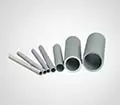
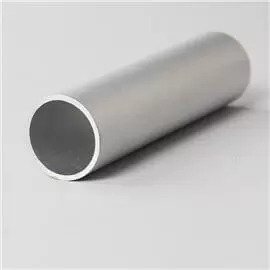
Aluminum Round tube
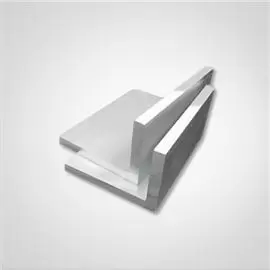
Aluminum Angle
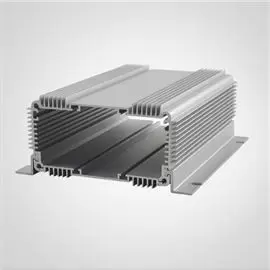
Extruded Aluminum Enclosure
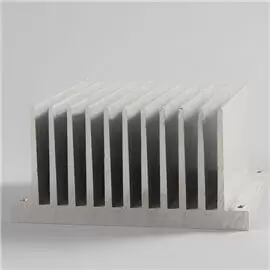
Extruded Heat Sinks
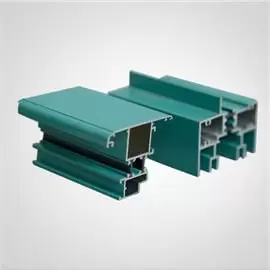
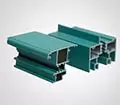
Window & Door Profiles
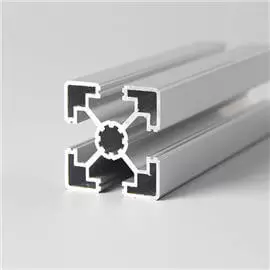
T slotted Aluminum
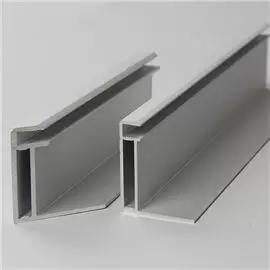
Solar Panel Frame
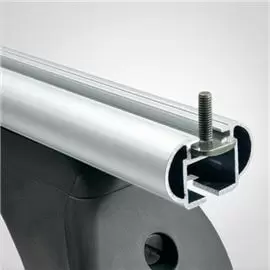
Extruded Car Roof Rack
JUST ALU aluminum profiles are built for industrial automation and everyday living. From heavy-duty machinery to weather-proof windows, doors, and patio features, our profiles are tough enough for the job yet light enough for versatile designs. We continuously innovate to meet the needs of next-generation components.

JUST ALU aluminum profiles are versatile structural solutions, known for their exceptional strength-to-weight ratio. As an independent manufacturer, we produce a wide variety of profiles and can customize the thickness to meet your specific automation and performance requirements, guaranteeing a high-quality product.
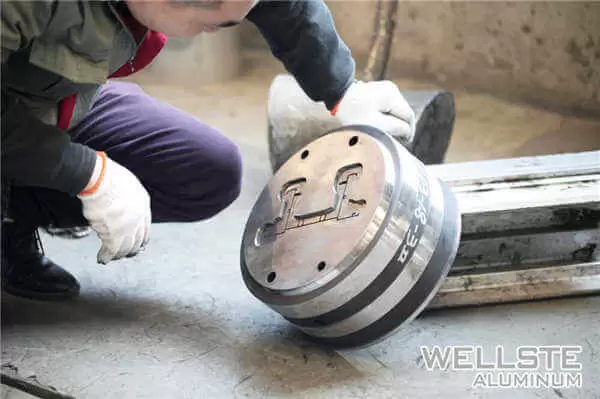
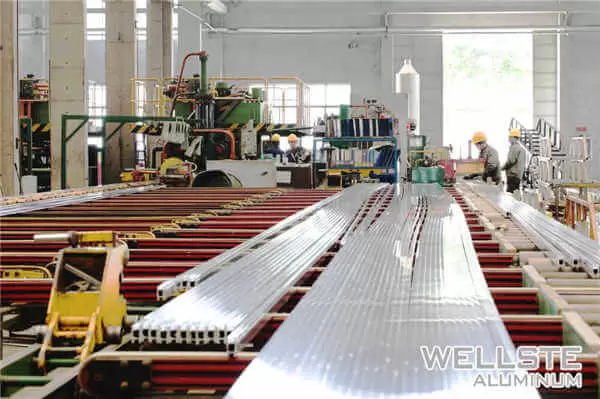
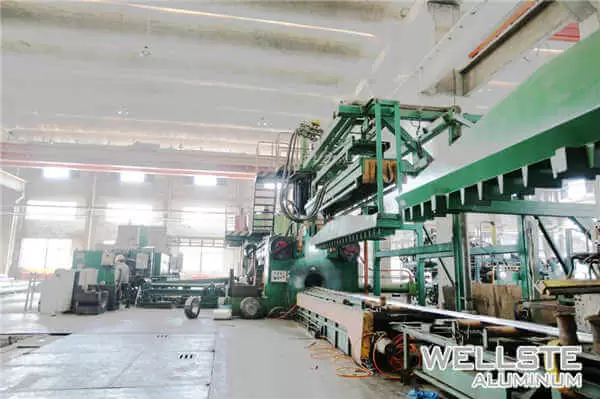
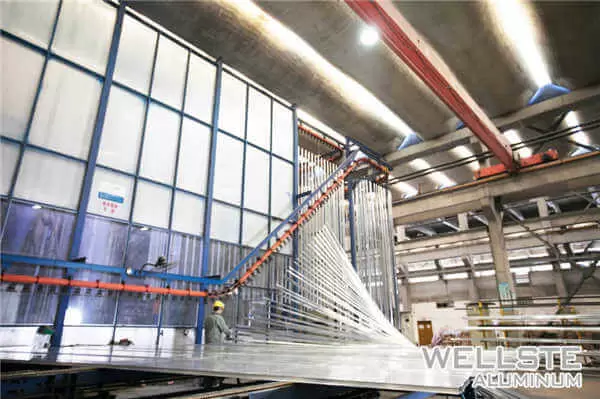
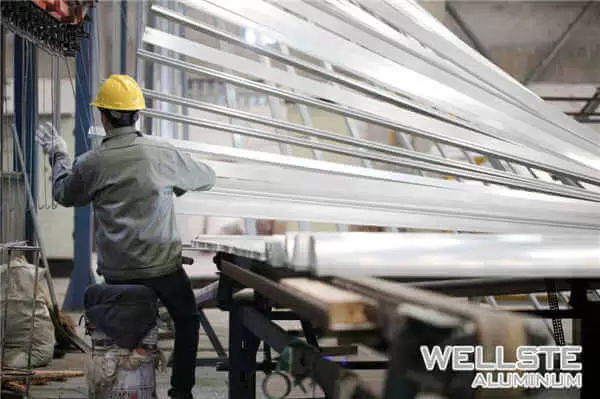
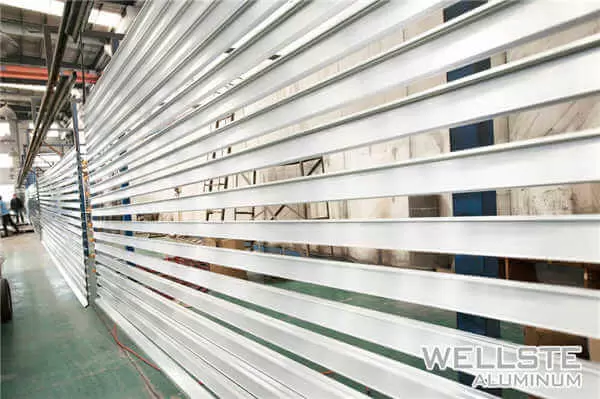
JUST ALU: Your Trusted Supplier for High-Quality Aluminum Profiles
JUST Alu is a leading aluminum profile supplier with 200+ standard molds. We provide custom extruded aluminum profiles in all shapes, sizes, and colors for superior structural integrity and heat dissipation. Get a precision-crafted, cost-effective solution for your project.
Precision Aluminum Profiles for Demanding Applications
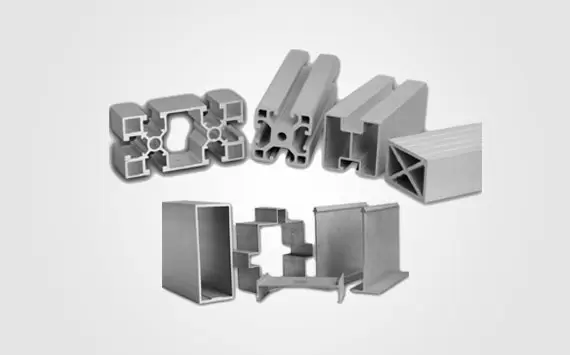
At JUST ALU, we specialize in the manufacture of high-grade aluminum profiles through advanced extrusion processes. Our diverse range includes square, triangular, L-shaped, and single-radius profiles, engineered to fit complex assemblies and void spaces with precision.
Extensive Catalog & Custom Solutions
With over 200 standard molds, we likely have the perfect structural profile for your needs. If not, our custom manufacturing service can create it for you. We offer full customization in size, shape, and color to meet exact project specifications.
Superior Extrusion & Thermal Performance
Our profiles are crafted from premium aluminum alloys, known for their excellent extrudability and high thermal conductivity. This makes Wellste aluminum profiles the ideal, expert-preferred choice for efficient electronic cooling solutions and a wide array of industrial applications.
Our Commitment to Quality & Standards
Utilizing state-of-the-art equipment, we control every step of the production process. After extrusion, profiles are precisely cooled, stretched to relieve internal stress, cut to length, and hardened to achieve perfect dimensions and superior strength. All our products are developed in compliance with stringent local and international standards.
Your Reliable Global Manufacturing Partner
We produces high-quality, cost-effective aluminum profiles in large volumes for clients across numerous industries. We are dedicated to delivering practical, precision-engineered solutions that meet your unique requirements and drive project success.
JUST Aluminum Profiles are manufactured on our state-of-the-art extrusion lines, imported from overseas. Our press capacity ranges from 660 to 4,000 tons, enabling us to produce heavy-duty aluminum profile shapes with precision.
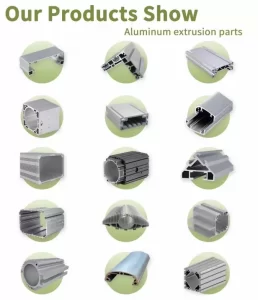
JUST ALU is a trusted aluminum profile supplier and manufacturer in China, dedicated to providing high-quality custom aluminum profiles and exceptional service. We deliver world-class products built to your exact specifications. For more information and to discuss your project needs, contact us now
Aluminum Profiles: The Ultimate FAQ Guide (Everything You Need to Know)
An aluminum profile refers to the cross-sectional shape of an extruded aluminum product, primarily used for structural purposes.
This definitive guide provides detailed answers to the most common questions about aluminum profiles. Our goal is to equip you with the knowledge to confidently choose the right profiles for your specific applications.
What Are The Available Variations Of Aluminum Profiles Are Available?
A Guide to Aluminum Profile Types and Their Uses
Confused about which aluminum profile to use? Here’s a quick breakdown:
Construction Aluminum Profiles: Known for their excellent strength-to-weight ratio and torsional stiffness. Ideal for: structural frames, curtain walls, and industrial walkways.
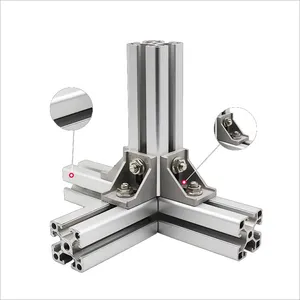
T-Slotted Aluminum Profiles (Extrusions): Feature integrated T-slots for modular framing. Ideal for: machine guards, workbenches, and 3D printer frames.
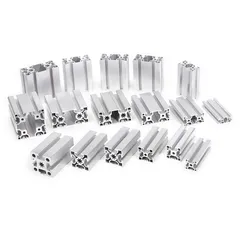
Aluminum Channel Profiles: Simple and effective for edging, trim, and lightweight structural support.
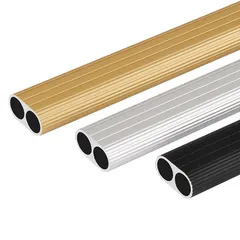 What are the key properties of aluminum? Our extruded profiles are valued for critical characteristics including high thermal and electrical conductivity, exceptional resistance to corrosion, and the ability to withstand extreme temperatures.
How to Attach Aluminum Profiles to Surfaces: Your Complete Fastening Guide:
1. Interlocking Joint (Male & Female)
This simple and robust method allows for a quick, tool-free assembly. It works by sliding the “male” end of one profile directly into the “female” end of another, creating a secure, interlocking connection. Ideal for rapid prototyping, framing, and applications where you need a strong fix without fasteners.
2. Nut Tracks & Channels
A nut track system provides unmatched flexibility. It features a continuous channel where T-slot nuts or specialized bolt heads can be inserted and slid into any position. This prevents the nut from spinning, allowing you to easily position and secure multiple components along a single profile length—perfect for modular frames, machines, and workstations.
3. Snap-Fit Connections
Designed for speed and a clean aesthetic, snap-fit profiles use flexible lead-in barbs. You simply press the top extrusion onto the bottom one until it “clips” into place, leveraging aluminum’s natural flex for a secure hold. For a permanent assembly, use barbs without a reverse chamfer.
4. Screw Ports (Tapped & Self-Tapping)
The most common and versatile method. Pre-drilled and tapped holes or self-tapping screws provide a strong, reliable thread directly into the aluminum. This method guarantees a robust fix and, unlike permanent methods, allows for easy disassembly and reassembly for future modifications.
5. Corner Cleats
The go-to solution for creating perfect 90-degree (or other angle) joints between two profiles. The cleat, often made from steel or aluminum, fits into the profiles’ channels. Barbs or set screws then lock it firmly in position, resulting in an extremely rigid and stable corner for cabinets, displays, and structural frames.
6. Hinges
When your design requires movement, specialized aluminum profile hinges are the answer. They are commonly used for doors, access panels, and machine guards, allowing them to swing open and shut smoothly while maintaining the strength and consistency of the aluminum framing system.
What are the Key Specs for Aluminum Profiles?
The Unbeatable Benefits of Aluminum Profiles
From sleek modern railings to robust industrial frames, aluminum profiles are the smart choice. Here’s why:
Strong & Light: Build sturdy structures without the heavy weight.
Rust-Resistant: Naturally protected to last for decades.
Endlessly Shapeable: Perfect for both simple and complex custom designs.
Eco-Friendly: 100% recyclable, supporting your sustainability goals.
Built to Last:
How long can you expect your aluminum profiles to perform? For decades. Our profiles are engineered for longevity, capable of serving your needs for 20+ years. The exact service life depends on the specific alloy, the application’s demands, and the environment, but you can count on a legacy of reliable performance.
What Are The Aspects To Look For Factors When Buying Aluminum Profile Parts?
Selecting the perfect aluminum profile for your project is critical to its success. To ensure optimal performance, cost-effectiveness, and longevity, carefully evaluate these six key factors before you buy.
1. Surface Finish: Aesthetics & Protection
Your choice of finish impacts both look and durability. For decorative applications like architectural trim, consider anodized or powder-coated finishes which offer color options and enhanced scratch resistance. For industrial applications where function trumps form, a standard mill finish may be sufficient.
2. Wall Thickness: The Key to Durability
The wall thickness directly dictates the profile’s strength and structural integrity. Thicker walls provide greater load-bearing capacity and resistance to physical impact, making them essential for structural frameworks and heavy-duty applications. Thinner walls are suitable for lighter-duty, non-structural uses.
3. Material Grade: The Foundation of Performance
Not all aluminum is created equal. The alloy grade (such as 6061 vs. 6063) defines critical properties like strength, weldability, and corrosion resistance. 6061 aluminum, for instance, is known for its high strength and is ideal for structural parts, while 6063 offers excellent extrudability for more complex shapes and is common in architectural applications.
4. Size & Dimensions: Standard vs. Custom
Aluminum profiles come in both standard and custom sizes. While standard sizes are cost-effective and readily available, custom aluminum extrusions allow you to tailor the profile’s shape and dimensions to your project’s unique requirements, optimizing both form and function.
5. Quality Certifications: Your Assurance of Reliability
Never overlook independent quality certifications. Look for evidence that the manufacturer adheres to international standards like ISO 9001 or specific ASTM material standards. This is your best guarantee that the material meets the stringent requirements for your project.
6. Intended Application: The Deciding Factor
Above all, let your specific application be your guide. Define the environmental conditions (will it be exposed to saltwater?), mechanical stresses, and aesthetic requirements upfront. Understanding your project’s core needs will point you toward the right profile in terms of grade, temper, and finish.
Pro Tip: Don’t choose based on a single factor. The ideal profile is found at the intersection of the right grade, the appropriate thickness, and a finish that suits its environment.
What Elements Determine The Cost Of Aluminum Profile?
Understanding what drives the price of aluminum profiles is key to budgeting effectively for your project. While the initial quote might seem straightforward, the final cost is influenced by a combination of design, material, and order factors. Here are the key elements that impact the price.
1. Profile Complexity & Design
The complexity of the cross-section is a primary cost driver. Simple, solid profiles are significantly less expensive to extrude than complex, multi-void profiles. The more intricate the design, the higher the tooling cost and the slower the extrusion speed, which increases the price per foot.
2. Material Grade & Alloy
Not all aluminum is priced the same. The cost of raw aluminum billet varies by alloy. Common alloys like 6063 are generally more economical, while high-strength or specialized alloys like 6061 or those with specific tempering (like T6) can command a higher price due to their enhanced properties.
3. Wall Thickness
Profiles with thicker walls require more raw material and can be slower to extrude, making them more expensive than their thin-walled counterparts. While thick walls offer greater strength, optimizing for the minimum required thickness can lead to substantial cost savings.
4. Surface Finish
The choice of finish has a direct impact on cost. A standard mill finish is the most affordable. Anodizing adds a moderate cost for enhanced corrosion resistance and color, while powder coating or specialized brushed finishes will increase the price further for superior aesthetics and durability.
5. Order Volume & Economies of Scale
As with most manufactured goods, volume is king. Placing a large, bulk order allows the manufacturer to amortize fixed costs (like tooling setup) over more units, dramatically reducing the price per foot or meter.
6. The Manufacturer’s Pricing Structure
Finally, the manufacturer you choose plays a role. Pricing can vary based on a company’s overhead, operational efficiency, quality certifications, and profit margins. It’s always wise to get multiple competitive quotes.
Is There Recommended Tolerance For Aluminum Profile Parts?
The achievable tolerances for aluminum profiles are not fixed. While governed by standards like BS EN 755-9:2001, they are ultimately determined by your design and your manufacturer’s capabilities.
Standard vs. Enhanced Tolerances: Most manufacturers can hold tighter tolerances than the minimum standard, but this is not guaranteed.
Design Dependency: The complexity and size of your profile’s cross-section are the primary factors. Simpler shapes are more likely to achieve tighter tolerances.
The Solution is Collaboration: The ideal approach is to submit your design for review. Typical tolerances range from ±0.2mm to ±0.5mm, but your manufacturer can specify what is optimal for your part.
What Is The Ideal Length Of Aluminum Profile?
What length of aluminum profile do you need? It depends entirely on your design. Whether you’re building a machine frame, a structural support, or an architectural feature, determining the right length is crucial. We simplify this process by offering both standard stock lengths for common projects and custom-cut lengths to match your precise specifications, minimizing waste and ensuring a perfect fit.
What Types and Designs of Aluminum Profiles Are Available?
Aluminum profiles are extruded into a variety of shapes, each designed for specific functions and applications. Understanding these common types will help you select the right one for your project.
1. Hollow Beam (Square & Rectangular)
These versatile profiles feature a hollow cross-section, making them lightweight yet strong. They are a fundamental component in modular framing systems for machine guards, workstations, and architectural structures. Their high strength-to-weight ratio is ideal for building robust frames without excessive weight.
2. T-Slot Profile (Modular Framing)
Arguably the most common type for industrial applications, T-slot profiles have channels that allow T-nuts or bolts to be inserted and slid along their length. This enables the construction of modular, customizable, and reconfigurable frames for everything from 3D printers and conveyor systems to industrial workbenches.
3. Square & Rectangular Solid Profile
Similar to hollow beams but with a solid cross-section, these profiles provide maximum stability and support. They are commonly used as structural columns, pillars, and load-bearing elements in construction and heavy-duty applications where deflection must be minimized.
4. Curtain Wall & Mullion Profile (RCW)
These are specialized profiles used in the facades of high-rise commercial buildings. They form the backbone of curtain wall systems, which are non-structural outer walls. Their primary function is to hold glass or panels in place and create a weather-tight barrier against wind, rain, and temperature.
5. Louver Profile
Designed for ventilation and sun shading, louver profiles consist of angled slats. They are essential in HVAC systems, electrical enclosures, and architectural sunscreens to allow for air flow and light control while keeping out rain and debris.
6. Door & Window Section
These are engineered specifically for fenestration products. They are robust enough to support heavy glass panels in modern door systems and are designed to integrate with hardware like locks, hinges, and seals for secure and weather-resistant operation.
Which Machining Options Are SutTo Use In Aluminum Profile?
Our aluminum profiles can be customized using a wide range of standard and advanced machining processes:
Cutting-to-Size: Precision sawing to your exact length requirements.
CNC Machining: For highly accurate and complex drilling, milling, and tapping.
Drilling: Creating clean, precise holes for fasteners and assembly.
Milling: Cutting slots, channels, and flat surfaces into the profile.
Bending: Forming profiles to specific angles and curves.
Welding: Fusing profiles together to create strong, permanent joints.
Stamping: Marking or creating features with high-speed presses.
Assembly: Final integration of all components into a finished product.
Which Anodizing Options Are Used In Aluminum Profile?
5 Common Anodizing Types for Aluminum Profiles
Type I – Chromic Acid Anodize: A thin coating for precision aerospace parts where minimal dimensional change is required.
Type II – Sulfuric Acid Anodize: The most common type; offers good corrosion resistance and is perfect for dyeing various colors.
Type III – Hard Coat Anodize: Creates an extremely wear-resistant and durable surface for high-stress industrial applications.
Bright Dip Anodizing: Produces a high-gloss, mirror-like finish for decorative applications before anodizing.
Electrolytic Two-Step Anodize: Provides superior, fade-resistant integral colors (bronze, black) for architectural use.
What Is The Average Manufacturing Lead-Time For Aluminum Profile?
The production timeline for aluminum profiles isn’t fixed; it depends on several key variables. Understanding these factors can help you plan your project more effectively.
1. Design & Tooling Complexity
Custom profiles requiring new die design and manufacturing will add significant time to the schedule. Simple or standard profiles that use existing dies can be put into production immediately.
2. Order Volume
While it may seem counterintuitive, larger quantities often have a longer production run but a lower unit cost. Smaller prototype orders can be completed more quickly but may have a higher cost per part.
3. Production Queue & Capacity
Lead times are directly influenced by the manufacturer’s current order backlog. A busy shop with a full queue will naturally have a longer wait time than one with available capacity.
4. The Manufacturer’s Workflow & Policy
Each manufacturer has a different operational efficiency and stated turnaround time for various order types. This includes their scheduling, quality control processes, and raw material inventory.
Where Do You Commonly Use Different Aluminum Profiles?
Common Applications of Aluminum Extrusion Profiles
Building & Construction: For structural frames, windows, doors, and facades.
Framing Components: Modular frames for machines, workstations, and enclosures.
Rails & Tracks: For sliding systems, handrails, and linear guides.
Heat Sinks: Cooling solutions for electronics and LED lighting.
Tubing: For structural supports, handles, and protective conduits.
Decorative Elements: Trim, moldings, and modern design features.
Hinges & Hardware: Integrated components for doors and furniture.
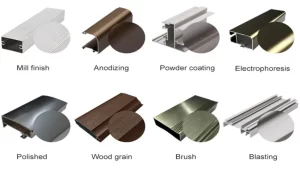
Which Surface Finishing Best Suits Aluminum Profile?
The right surface finish enhances the appearance, durability, and functionality of aluminum profiles. From rugged protection to high-end aesthetics, here are the most popular options available:
Powder Coating
A dry powder is applied electrostatically and then cured under heat to form a tough, protective “skin.” This finish offers exceptional resistance to chipping, scratches, and fading, and is available in an almost limitless spectrum of colors and textures (e.g., matte, gloss, metallic). Ideal for architectural applications and consumer products requiring durability and custom color matching.Anodizing
An electrochemical process that thickens the aluminum’s natural oxide layer, creating an extremely hard, integral surface that is part of the metal. Anodizing significantly improves corrosion and wear resistance. It can be dyed in a range of colors (most commonly clear, black, and bronze) and offers excellent UV stability, making it a premium choice for building exteriors and high-traffic components.Mill Finish
This is the raw, as-extruded surface straight from the production press, with no additional finishing applied. It has a semi-shiny, industrial appearance and is typically used for non-decorative, internal components where aesthetics are not a priority.Brushed Finish
A mechanical process that creates a uniform, linear grain on the surface, giving the aluminum a satin-like, matte luster. This finish hides fingerprints and minor scratches well, offering a modern, sophisticated look that retains the metal’s characteristic sheen. Common in appliances, elevator interiors, and decorative trim.Sandblasting
A pre-treatment process where abrasive media is propelled at high pressure to create a uniform, matte texture. This finish is excellent for hiding extrusion lines and minor imperfections, providing a consistent, non-reflective surface that is often used as a base for further coating like anodizing or painting.Electroplating
A less common but specialized process that uses an electrical current to deposit a thin layer of another metal (such as nickel or chrome) onto the aluminum. This is primarily used to achieve specific decorative effects (e.g., a chrome-like mirror finish) or to enhance surface properties like electrical conductivity.
What Standard Certifications Do Aluminum Profiles Should Conform To?
We believe in transparency and proven quality. Our processes and products are designed to meet internationally recognized standards, giving you confidence in every order.
Our Commitment to Process: Our ISO 9001 certification is your guarantee that we follow a rigorous quality management system for consistent results.
Our Promise on Dimensions: We adhere to EN 755-9 to ensure our profiles meet precise dimensional tolerances for a reliable fit.
Our Capability for Precision: For projects demanding the utmost accuracy, we can produce to the exacting specifications of BS EN 12020-2.
Aluminum Profile Is Available In Which Colors?
Popular Aluminum Profile Color Finishes
Anodized Finishes (Metallic & Durable):
Silver / Clear (Natural Aluminum Look)
Champagne (Warm Gold-Tone)
Bronze (Darker Gold-Tone)
Black (Durable & Modern)
Golden Yellow (Bright & Decorative)
Powder Coat Finishes (Vibrant & Versatile):
White (Clean & Modern)
Black (Deep & Uniform)
Green & countless other custom colors
Is There A Recommended R-Value For Aluminum Profile?
R-Value and Aluminum Profiles: What You Need to Know
While R-value measures resistance to heat flow, it’s not the most relevant metric for selecting a raw aluminum profile. Aluminum is a highly effective thermal conductor, not an insulator, meaning it has a naturally low R-value.
For Effective Thermal Performance:
Focus on thermally broken aluminum systems. These profiles are engineered with an insulating barrier to prevent heat transfer, making them ideal for energy-efficient windows, doors, and building facades.
We strongly recommend consulting with our engineering team to discuss the thermal performance of the complete system for your application, rather than the R-value of the profile alone.
Can You Find OEM Or ODM Aluminum Profiles?
Absolutely. We excel at bringing unique aluminum profile designs to life. To begin, we require original design submissions to ensure integrity and avoid intellectual property issues.
Don’t have a design yet? Leverage our OEM/ODM expertise. Our design engineers are ready to create a unique, high-performance solution tailored specifically to your needs.
Contact us today to start the conversation about your custom aluminum profile.
How Does Extruded Aluminum Profile Compare To Drawn Aluminum Profiles?
Extruded vs. Drawn Aluminum Profiles: A Comparative Guide
Both extruded and drawn aluminum profiles can be used to manufacture similar final products, such as railings, window frames, and tubing. However, the choice between them hinges on understanding their key differences in production, cost, and application.
Key Differences at a Glance:
| Feature | Extruded Aluminum Profile | Drawn Aluminum Profile |
|---|---|---|
| Production Process | Heated aluminum billet is pushed through a die to create a continuous shape. | A solid aluminum rod or tube is pulled (drawn) through a die at room temperature to reduce its diameter and refine its shape. |
| Cost-Effectiveness | Generally more affordable. The process is highly efficient for complex cross-sections and high volumes, with lower tooling costs. | Often more expensive. The process can be slower and may require multiple passes and additional tooling to achieve the final dimensions. |
| Geometric Complexity | Ideal for creating highly complex, custom cross-sections with intricate details, hollow chambers, and T-slots. | Best suited for solid, simple, and symmetrical shapes like round tubes, rods, and wires. |
| Surface Finish & Tolerance | Good surface finish with standard dimensional tolerances. | Can achieve exceptionally smooth surfaces and very tight dimensional tolerances. |
The Bottom Line:
Choose extrusion for cost-effective, complex custom shapes. Choose drawing for high-precision, simple solid forms with a superior surface finish.
For all your custom aluminum extrusion needs, [Contact XIAMEN JUST ALU Now]. Our expertise ensures you get the right profile for your project, balancing performance, complexity, and budget.